
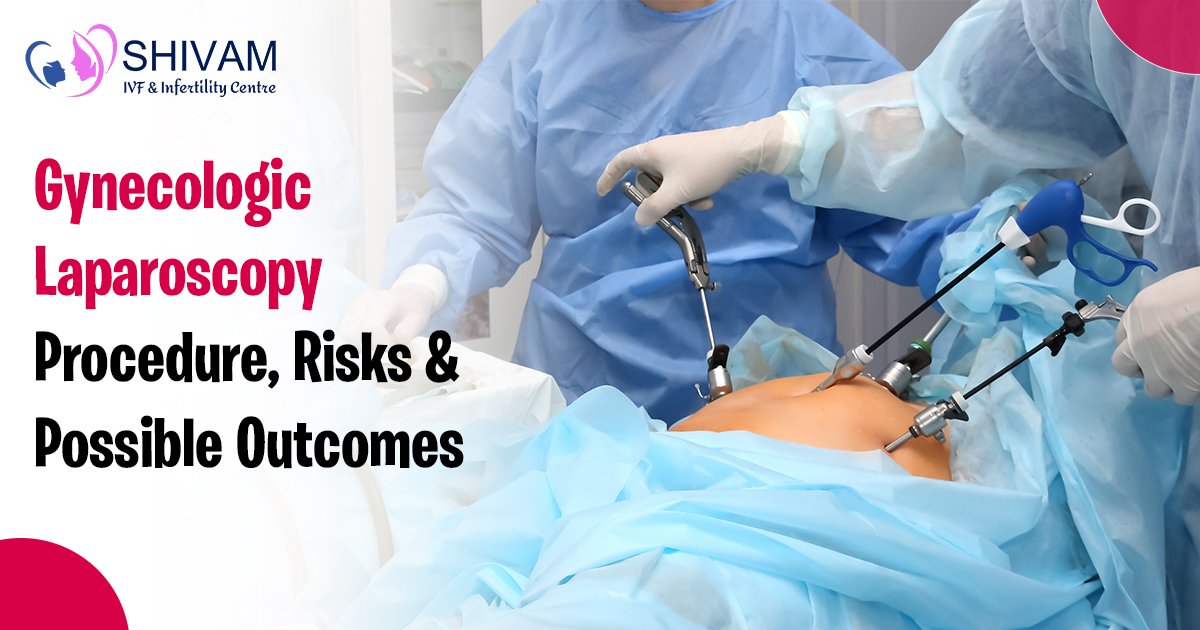
A laparoscopy also known as keyhole surgery involves the surgeon conducting the procedure through small incisions in the abdominal area. This method serves as a safer option compared to open surgery, where a larger incision is made in the abdomen. The keyhole approach is typically linked to reduced complications and a quicker recovery period.
About Gynecologic Laparoscopy
A gynecological laparoscopy offers a closer look into the pelvis which enables surgeons to examine the uterus, fallopian tubes, and ovaries. This procedure is also known as keyhole surgery involves making small incisions in the abdomen, making it a safer alternative to traditional open surgery. The potential benefits include fewer complications and a shorter recovery period.
Indications for Gynecologic Laparoscopy
Individuals may undergo a gynecologic laparoscopy to investigate and treat various conditions. Common reasons include:
1) Diagnosis and Treatment of Endometriosis: Gynecologic laparoscopy plays a crucial role in diagnosing and treating endometriosis, a condition where tissue similar to the lining of the uterus grows outside the uterus.
2) Adhesion Removal: The procedure is effective in removing scar tissue (adhesions) which can form between pelvic organs and cause pain or fertility issues.
3) Treatment of Ectopic Pregnancy: In cases of ectopic pregnancy where the embryo implants outside the uterus, laparoscopy is employed to address the condition promptly and preserve reproductive health.
4) Sterilization (Fallopian Tube Blocking): Laparoscopy can be utilized for sterilization by sealing or blocking the fallopian tubes, offering a permanent contraceptive solution.
5) Ovarian Cyst Removal: Surgeons can diagnose and remove ovarian cysts using laparoscopic techniques, minimizing postoperative discomfort.
6) Hysterectomy and Oophorectomy: For individuals requiring the removal of the uterus (hysterectomy) or ovaries (oophorectomy), laparoscopy presents a less invasive alternative to traditional open surgery.
7) Fibroid Treatment: Laparoscopy is employed to treat fibroids, non-cancerous growths in the uterus, providing relief from symptoms.
8) Investigation of Pelvic Pain and Fertility Issues: Gynecologic laparoscopy is used to explore the causes of long-term pelvic pain and investigate potential factors contributing to fertility problems.
Preparing for Gynecologic Laparoscopy
Typically conducted by a Gynecologist, the laparoscopic procedure requires some preparation. Patients may undergo additional tests such as ultrasound, MRI or CT scans before the surgery. The procedure is usually performed under general anesthesia and patients are advised to fast before the surgery. Additionally, preventive measures such as compression stockings and anticlotting medications may be recommended to minimize the risk of blood clots.
The Gynecologic Laparoscopy Procedure
During the procedure, the surgeon makes a small incision in the lower abdomen typically near the navel and introduces carbon dioxide to inflate the abdomen gently. This inflation creates space for the surgeon to maneuver the laparoscope – a small tube with a camera & light and other instruments. Video images captured by the laparoscope guide the surgeon throughout the procedure. Additional incisions may be made as needed and at the conclusion of the surgery, the carbon dioxide is released and the incisions are closed with stitches or glue.
Aftercare and Recovery
Post-surgery, patients are monitored as the effects of anesthesia wear off. For diagnostic laparoscopies, patients often return home on the same day, while those undergoing treatment may require overnight hospital stay. Adequate rest is crucial and patients should gradually resume normal activities. Pain relief is available for any discomfort, and follow-up appointments may be scheduled.
Recovery timelines vary depending on the complexity of the procedure. Individuals undergoing diagnostic laparoscopy may resume regular activities within three days, while those with more intricate surgeries may take up to two or three weeks to fully recover. Spotting or bleeding from the vagina may occur for a few days, and patients are advised on wound care.
Potential Side Effects and Complications
While gynecologic laparoscopy is generally safe, patients may experience temporary side effects such as slight bleeding, abdominal discomfort, shoulder pain (attributed to the inflating gas), and temporary fatigue. Complications though rare can include wound infections, urinary infections, hernias, damage to abdominal organs and deep vein thrombosis. It's crucial to seek medical attention if any concerning symptoms arise.
Dr. Bhavana Mittal: Pioneer in Gynecologic Laparoscopy
Dr. Bhavana Mittal from Shivam IVF Centre stands out as the Best Gynecologist in Delhi. With a wealth of experience and a commitment to patient-centric care, Dr. Bhavana Mittal has become a trusted name in the field. Her proficiency in performing laparoscopic procedures, coupled with a dedication to advancing medical practices has positioned her as a pioneer, providing individuals with cutting-edge solutions and compassionate healthcare. Patients seeking the benefits of gynecologic laparoscopy can confidently turn to Dr. Bhavana Mittal for expert guidance and personalized care at Shivam IVF Centre.
Conclusion
Gynecologic laparoscopy has evolved into a cornerstone of women's healthcare which offers a delicate balance between diagnostic precision and minimally invasive treatment. As advancements persist, this procedure continues to redefine standards, providing women with effective solutions to various gynecological challenges. Always consult with your healthcare provider to understand the specific details of your recommended laparoscopic procedure and its associated risks and benefits.
Frequently Asked Questions (FAQs)
1. What is a gynecological laparoscopy?
A gynecological laparoscopy, often referred to as keyhole surgery is a minimally invasive surgical procedure. It involves a surgeon making small incisions in the abdomen to insert a laparoscope—a thin tube with a camera and light which allows for a detailed examination of the pelvic organs.
2. Why would a woman need a laparoscopy?
A woman may undergo a laparoscopy for various reasons. It serves both diagnostic and therapeutic purposes, helping to identify conditions like endometriosis, ovarian cysts or adhesions. Additionally, laparoscopy provides a minimally invasive option for treating gynecological issues.
3. How long is recovery after gynecologic laparoscopy?
The recovery time after gynecologic laparoscopy varies based on the complexity of the procedure. Patients undergoing diagnostic laparoscopy may resume regular activities within three days, while those with more intricate surgeries may take up to two or three weeks to fully recover.
4. What position is a woman in during a gynecological laparoscopy?
During a gynecological laparoscopy, a woman is typically positioned in the lithotomy position, lying on her back with her legs in stirrups. This positioning provides the surgeon with optimal access to the pelvic area.
5. Is a laparoscopy painful?
Generally, patients undergoing laparoscopy experience minimal pain. The procedure is performed under general anesthesia, ensuring that the patient is asleep and feels no discomfort during the surgery. Postoperatively, some patients may experience mild discomfort, which can be managed with pain relief medications as prescribed by the healthcare provider.